

The evolution of casinos a journey through time
The Origins of Gambling
The history of casinos can be traced back to ancient civilizations where gambling was an integral part of societal life. From the early dice games in Mesopotamia to the first recorded gambling activities in China around 2000 BC, betting on games of chance has been a universal pastime. These activities laid the groundwork for what would eventually evolve into modern casinos, showcasing humanity’s enduring fascination with luck and chance. Today, players can find new fast withdrawal casinos new zealand featuring thrilling games and generous bonuses.
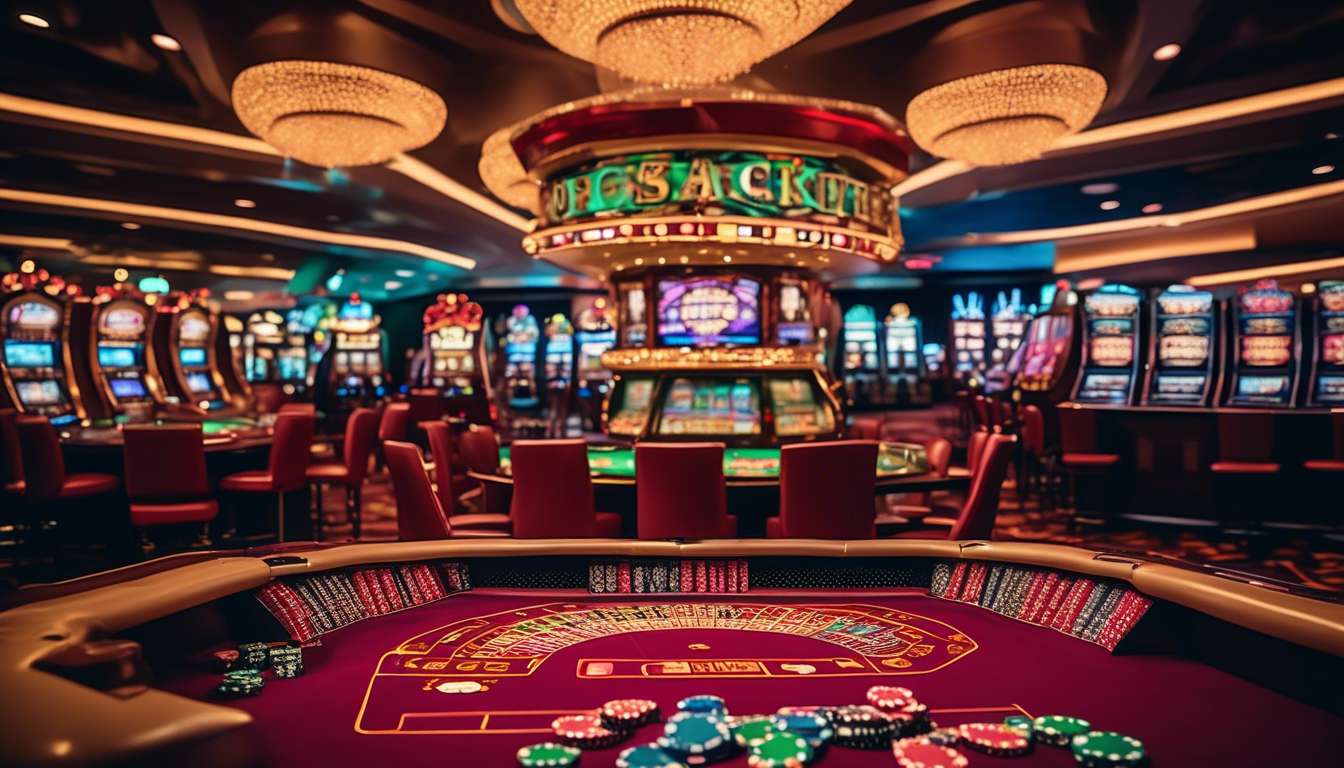
As cultures evolved, so did the concept of gambling. The Romans introduced sophisticated gaming halls known as “thermae,” where people could partake in various games while enjoying social interactions. This early form of organized gambling paved the way for the development of more structured gaming establishments, leading to the establishment of the first true casinos in the 17th century.
The Rise of the Modern Casino
The modern casino as we know it began to take shape in the 17th and 18th centuries, particularly in Italy and France. The first official casino, the Casino di Venezia, opened its doors in 1638, setting a precedent for gambling as a legitimate form of entertainment. The French revolution further propelled gambling culture, with gaming houses gaining popularity among the aristocracy.
As gambling spread across Europe, it became synonymous with luxury and sophistication. By the 19th century, casinos began to flourish in cities like Monte Carlo, attracting wealthy patrons and establishing a sense of exclusivity. This era marked the transformation of gambling from a mere pastime to a glamorous lifestyle, combining risk with high stakes and lavish surroundings.
The Golden Age of Gambling
The early 20th century marked the golden age of gambling, particularly in the United States. The establishment of Las Vegas as a gambling haven in the 1930s revolutionized the casino landscape. With opulent resorts and extravagant shows, Las Vegas became a symbol of excess and entertainment, drawing millions of visitors eager to try their luck.
During this time, the concept of themed casinos emerged, with establishments designed to provide an immersive experience for guests. From the opulence of The Bellagio to the grandeur of Caesars Palace, these casinos offered not just gaming but also fine dining and live entertainment, solidifying their status as premier entertainment venues.
The Digital Revolution
The rise of the internet in the late 20th century ushered in a new era for the casino industry. The emergence of online gambling platforms allowed players to enjoy their favorite games from the comfort of their homes. This digital transformation democratized access to gambling, making it more convenient and accessible for a broader audience.
With technological advancements, online casinos have integrated innovative features such as live dealer games, interactive slots, and mobile compatibility. These advancements cater to evolving player preferences, enhancing the overall gaming experience while also prioritizing responsible gaming practices to ensure player safety and well-being.

Exploring Today’s Casinos
Today, casinos have evolved into multifaceted entertainment hubs that encompass gaming, dining, nightlife, and shopping experiences. Modern establishments focus heavily on creating a comprehensive visitor experience that attracts a diverse clientele. This includes not just traditional gaming, but also family-friendly activities and events that cater to various interests.
As the landscape continues to change, responsible gaming practices have become a critical focus for both online and brick-and-mortar casinos. Education on gambling addiction, self-exclusion programs, and fair play initiatives are now standard practices to promote a safe environment for players. The future of casinos looks promising, with an ever-growing emphasis on sustainability and inclusivity as part of the industry’s evolution.